
Sump Pump Repair vs Replacement: Which One Do You Need?
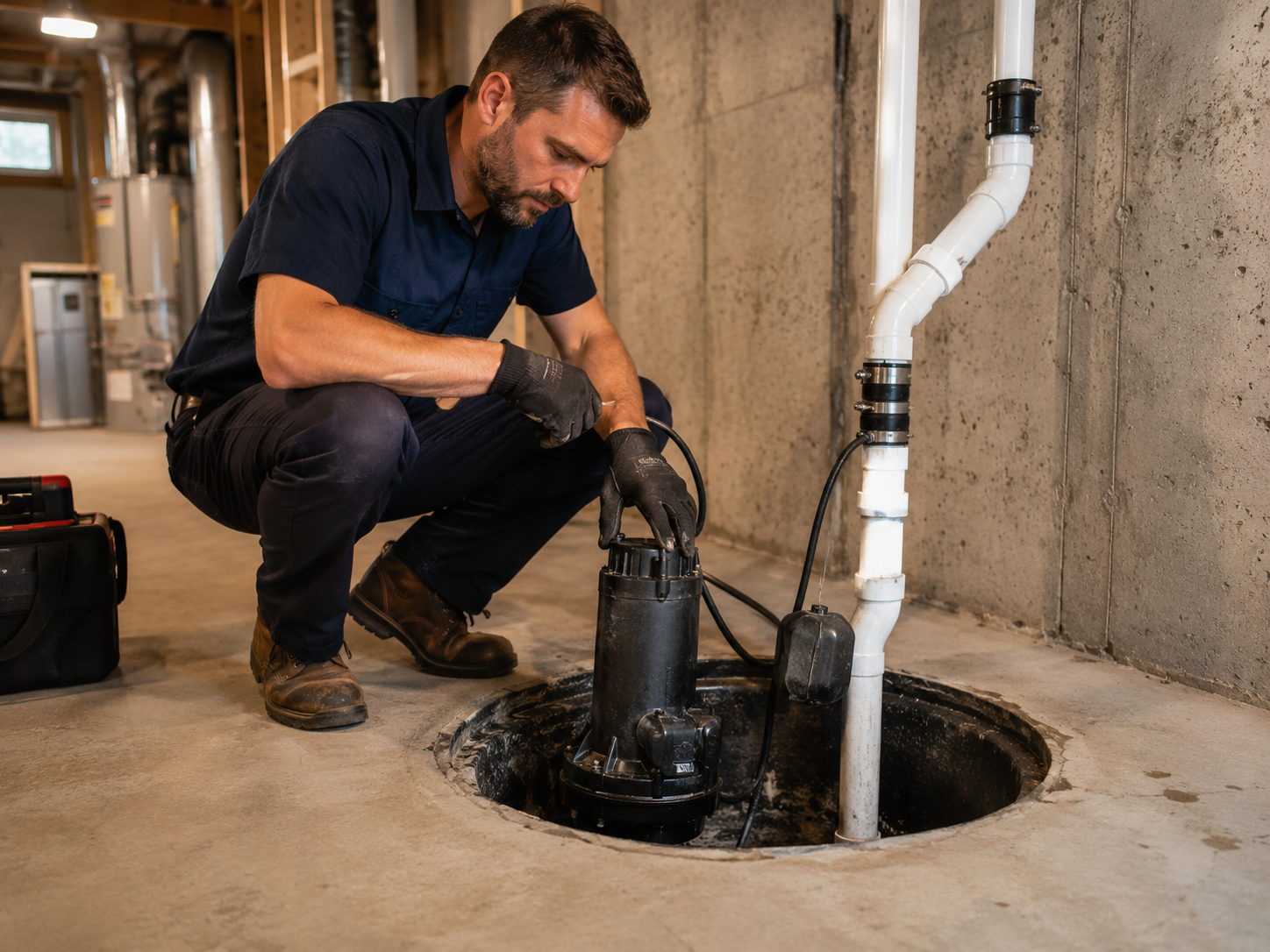
Sump pump repair vs replacement Lafayette IN is a common question for homeowners who notice their pump making noise, running constantly, failing to remove water, or struggling during heavy rain. A sump pump protects the lower level of a home by moving water out of the sump pit before it rises high enough to create basement or crawl space problems. When the pump starts acting unreliable, the decision is not always simple. Sometimes a repair is practical. Other times, installing a new sump pump is the safer long-term choice.
Thank you for reading this post, don't forget to subscribe!The right answer depends on the pump’s age, condition, repair history, power setup, discharge line, float switch, basin condition, and how well the pump handles water during storms. A relatively new pump with a stuck float may only need service. An older pump that has failed before, smells hot, short cycles, or runs without removing water may be telling you it is time for replacement.
This guide explains how homeowners can compare repair and replacement, what warning signs matter, what causes sump pump problems, when a backup system may be worth considering, and when it is time to schedule professional sump pump service.
Quick Answer
Repair may be enough if the sump pump is fairly new and the issue is caused by a stuck float, loose connection, clogged discharge line, failed check valve, or minor component problem. Replacement may be better if the pump is older, unreliable, corroded, undersized, repeatedly failing, or unable to keep up with water entering the pit.
If the pump has only one fixable issue, sump pump repair service in Lafayette may restore reliable operation. If the pump is near the end of its useful life or has failed more than once, sump pump installation for basement protection may be the more practical option.
Why the Repair vs Replacement Decision Matters
A sump pump is one of those home systems that often gets ignored until it is needed. It may sit quietly in the basement for long periods, then suddenly become critical during heavy rain, snowmelt, or rising groundwater. When it works, most homeowners barely think about it. When it fails, the result can be standing water, damp flooring, damaged stored items, musty odors, and moisture concerns.
The repair vs replacement decision matters because sump pump failure can happen at the worst possible time. A pump that is already weak, noisy, or unreliable may not handle the next storm. A quick repair can make sense for a small issue, but repeatedly repairing an aging pump can leave the home vulnerable if the pump fails again during heavy rain.
FEMA’s home flooding prevention guidance describes sump pumps as a defense against basement seepage and flooding because they help move groundwater away from the home. That makes sump pump reliability an important part of basement protection, not just a convenience.
Moisture is also a concern after water enters a basement. The EPA’s mold and moisture guidance for homeowners explains that preventing mold growth depends on controlling moisture. A reliable sump pump helps reduce the chance of water sitting where it can create bigger indoor moisture problems.
For homeowners in Lafayette, the best time to decide whether a sump pump needs repair or replacement is before the next weather event. Waiting until the pit is overflowing can make the situation more urgent and more stressful.
When Sump Pump Repair May Be Enough
Repair may be enough when the pump itself is still in decent condition and the problem is limited to one part of the system. One common example is a stuck float switch. The float tells the pump when to turn on and off as the water level rises or falls. If the float is caught against the pit wall, blocked by debris, or not moving properly, the pump may fail to activate even though the motor is still usable.
A clogged discharge line may also be repairable. The pump may be working, but water cannot leave the system correctly. This can happen if the discharge pipe is blocked by debris, ice, dirt, or an improper outlet condition. Once the blockage is addressed, the pump may return to normal operation.
A check valve issue can also cause problems. The check valve helps prevent discharged water from flowing back into the pit. If it fails, the pump may cycle more often because the same water keeps returning. Replacing or correcting that component may solve the cycling problem without replacing the entire pump.
Electrical connection issues may also be repairable when they are minor and safe to address. A loose plug, tripped breaker, bad outlet, or power supply problem can stop a pump from running. Because electricity and water are a dangerous combination, homeowners should avoid unsafe electrical work and call a professional if anything looks questionable.
Repair is often most practical when the pump is not very old, has not failed repeatedly, and still moves water properly once the specific issue is corrected. In these cases, a professional can evaluate the pump and determine whether a repair is likely to restore dependable performance.
Helpful answer: If sump pump repair vs replacement Lafayette IN is the decision and the pump is newer with one clear fixable issue, repair may be the right first step.
When Sump Pump Replacement Makes More Sense
Replacement may make more sense when the pump is old, unreliable, weak, or showing signs of repeated failure. A sump pump does not need to be completely dead before replacement is worth discussing. A pump that runs but does not remove water well can be just as concerning as one that will not turn on.
Constant running is one warning sign. If the pump runs nonstop during normal conditions, it may be undersized, wearing out, dealing with water returning to the pit, or struggling with a discharge problem. Even if repair is possible, constant operation can wear the motor down and reduce confidence in the system.
Short cycling is another concern. A pump that turns on and off repeatedly may have a float issue, basin issue, check valve problem, or sizing concern. If the cycling has damaged the motor or keeps returning after repair, replacement may be the more practical choice.
Unusual noise can also point toward replacement. Grinding, rattling, buzzing, or loud vibration may come from worn parts, debris, a failing motor, or poor installation conditions. Some noise issues can be repaired, but a noisy older pump that has already needed service may not be worth relying on through another storm season.
Visible corrosion, heavy mineral buildup, burning smells, overheating, or repeated breaker trips are also serious signs. These symptoms suggest the pump may not be safe or reliable. A professional should evaluate the system before the pump is used again.
Replacement is also worth considering if the pump no longer matches the home’s water conditions. If the pit fills quickly and the pump cannot keep up, a stronger or better-suited system may be needed. Replacing the pump can also be an opportunity to improve the discharge setup, check valve, basin arrangement, or backup protection.
Sump Pump Repair vs Replacement Lafayette IN: Key Differences
Sump pump repair vs replacement Lafayette IN comes down to whether the existing pump can be trusted after the issue is corrected. Repair focuses on fixing a specific problem with the current system. Replacement focuses on installing a new pump when the old one is no longer reliable or practical to keep repairing.
Repair is usually the better option when the pump is newer, the problem is isolated, and the cost of repair makes sense compared with the condition of the system. Examples include a float adjustment, discharge correction, check valve replacement, minor clog removal, or a simple component issue.
Replacement is usually the better option when the pump has multiple problems, shows age-related wear, fails during storms, or has a history of repeated service calls. A pump that has already failed once may fail again if the underlying issue is age, weakness, or poor performance rather than a small part.
The decision should also consider risk. A sump pump is not like a decorative fixture where failure is only inconvenient. If it fails during heavy rain, water may enter the basement. If the lower level contains finished rooms, appliances, storage, flooring, or valuable belongings, reliability becomes more important.
Homeowners should also think about timing. Repairing a pump before a storm may be reasonable if the pump is in good condition. Trying to squeeze more life out of an aging pump during a wet season can create unnecessary risk. If there is doubt, a plumber can inspect the full system and explain which option makes the most sense.
Common Problems That Affect the Decision
The float switch is one of the most common sump pump trouble points. If it sticks, the pump may not turn on when the pit fills. If it is positioned poorly, the pump may short cycle or run at the wrong times. A float issue does not always mean the pump must be replaced, but repeated float problems may suggest the setup needs improvement.
The discharge line is another important part of the system. A pump can only protect the basement if it can move water out and away from the home. If the discharge line is clogged, frozen, crushed, poorly routed, or dumping water too close to the foundation, the pump may run without solving the water problem. In that case, the discharge setup may need repair or correction.
The check valve can also change the decision. When it fails, water that should leave the home may fall back into the pit. This can make the pump run more often and wear out faster. If the pump is otherwise healthy, replacing the check valve may help. If the pump has already been damaged by constant cycling, replacement may be needed.
Pit size and pump sizing can also matter. If the basin is too small or the pump is not matched to the volume of water entering the pit, the system may cycle too often or fail to keep up. Replacing the pump without reviewing the setup may not solve the problem if the installation conditions are the real issue.
Power reliability is another factor. Many sump pump failures become serious during storms because power can go out when water is entering the pit. If outages are a concern, a backup system should be discussed along with the repair or replacement decision.
Finally, age and history matter. A pump that has been repaired several times, makes new noises, and still struggles during rain should be viewed differently from a newer pump with one small issue. Service history often tells homeowners whether they are fixing a problem or delaying an inevitable replacement.
What Homeowners Can Check Safely
Homeowners can do a few basic checks before calling for service, as long as the area is safe and dry enough to inspect. Start by confirming the pump is plugged in and the outlet appears normal. Do not handle electrical parts with wet hands, and do not stand in water while checking the pump.
Look inside the sump pit if it is safe to do so. The float should be able to move freely. It should not be pressed against the pit wall, tangled in cords, or blocked by debris. If the float cannot rise, the pump may not turn on even when the pit fills.
Listen to the pump during operation. A healthy pump should not grind, rattle loudly, buzz without moving water, or smell hot. New sounds are important because they may point to worn parts, debris, or motor trouble.
You can also test the pump by slowly pouring water into the pit until the float rises. The pump should activate, remove water, and shut off after the water level drops. If it does not turn on, does not move water, or does not shut off, call a plumber.
Check the discharge point outside if it is accessible. Water should move away from the foundation. If water is discharging too close to the home, flowing back toward the foundation, or not appearing outside when the pump runs, the system needs attention.
These checks are not a substitute for professional service, but they can help homeowners describe the problem clearly. Knowing whether the pump turns on, moves water, cycles properly, or makes noise can help the plumber diagnose the issue more efficiently.
When a Backup Sump Pump Should Be Considered
A backup sump pump may be worth considering when the basement has a history of water problems, when the home loses power during storms, or when water damage would create major disruption. The main pump may be in good condition, but it still depends on power and mechanical reliability. A backup system adds another layer of protection.
Battery backup systems are common because storms can bring both heavy rain and power outages. If the main pump loses power, the backup can help move water out of the pit. A secondary pump may also help when the main pump cannot keep up with unusually heavy water inflow.
Backup pumps should still be tested and maintained. A backup system that is ignored can fail when needed. Batteries age, alarms need attention, and discharge lines still need to be clear. Installing a backup pump is not a replacement for regular sump pump checks.
A backup system may also be discussed during replacement. If the current pump is being replaced because it failed or could not keep up, it is a good time to evaluate whether the home needs more than one layer of protection. This is especially true for finished basements, homes with stored valuables, or properties where water enters the pit quickly during storms.
Helpful answer: Backup protection is not required for every home, but it can make sense when sump pump failure would lead to costly or stressful water problems.
How to Think About Cost and Long-Term Value
Cost matters, but the lowest immediate cost is not always the best decision. A small repair may be the right choice if it restores dependable operation to a pump that still has life left. However, if the pump is aging and unreliable, repeated repairs can add up while still leaving the basement at risk.
Think about how the pump has performed during real conditions. Did it keep up during the last heavy rain? Did it run normally and shut off properly? Did the pit overflow? Did the basement smell damp afterward? A pump that barely handled the last storm may not be the system you want to trust through the next one.
Homeowners should also factor in what is at stake. If the basement is unfinished and mostly empty, risk may feel different. If the basement contains living space, flooring, stored belongings, appliances, or business inventory, reliability becomes more important. Water damage prevention often has value beyond the pump itself.
Replacement can also create an opportunity to improve the system. A plumber may recommend a more appropriate pump, a better check valve, discharge corrections, a cleaner pit setup, or a backup option. These upgrades may help reduce future problems.
For sump pump repair vs replacement Lafayette IN, the best decision is the one that balances current cost with reliability, age, storm readiness, and the potential consequences of failure.
Frequently Asked Questions
How do I know whether to repair or replace my sump pump?
Repair may be enough if the pump is newer and has a clear minor issue, such as a stuck float or clogged discharge line. Replacement may be better if the pump is old, unreliable, noisy, corroded, short cycling, or has failed more than once.
Is it worth repairing an old sump pump?
It depends on the pump’s condition and repair history. If the pump is near the end of its useful life or has repeated problems, replacement may be more practical than another repair.
Why does my sump pump run but not move water?
The pump may have a clogged discharge line, blocked intake, damaged impeller, weak motor, or incorrect discharge setup. A plumber can inspect the system and determine whether repair or replacement is needed.
Why does my sump pump turn on and off repeatedly?
Short cycling may be caused by a float problem, basin sizing issue, failed check valve, water returning to the pit, or pump sizing problem. Repeated short cycling can wear out the motor.
Should I replace my sump pump before it fails completely?
Yes, replacement before total failure can make sense if the pump is old, unreliable, or showing warning signs. Waiting for complete failure can leave the basement vulnerable during heavy rain.
Do I need a backup sump pump?
A backup sump pump may be a smart option if your basement has had water problems, if power outages happen during storms, or if water damage would be costly. A plumber can review your setup and explain whether backup protection fits your home.
Conclusion
Sump pump repair vs replacement Lafayette IN depends on the pump’s age, condition, performance, and reliability. A newer pump with one minor issue may only need repair. An older pump that runs constantly, short cycles, makes unusual noise, smells hot, fails during storms, or has repeated problems may be better replaced before it fails completely.
The most important question is whether the pump can be trusted when water starts entering the pit. A sump pump is there to protect the basement or crawl space when conditions are wet. If the system is already showing signs of trouble, waiting until the next storm can create unnecessary risk.
Lickity Split Plumbing helps Lafayette homeowners evaluate sump pump problems, repair failing components, install new sump pump systems, and review backup protection options when needed. If your sump pump has been acting unreliable, scheduling service before the next heavy rain can help protect your home from preventable basement water issues.
