
When Should You Replace a Water Heater Instead of Repairing It?
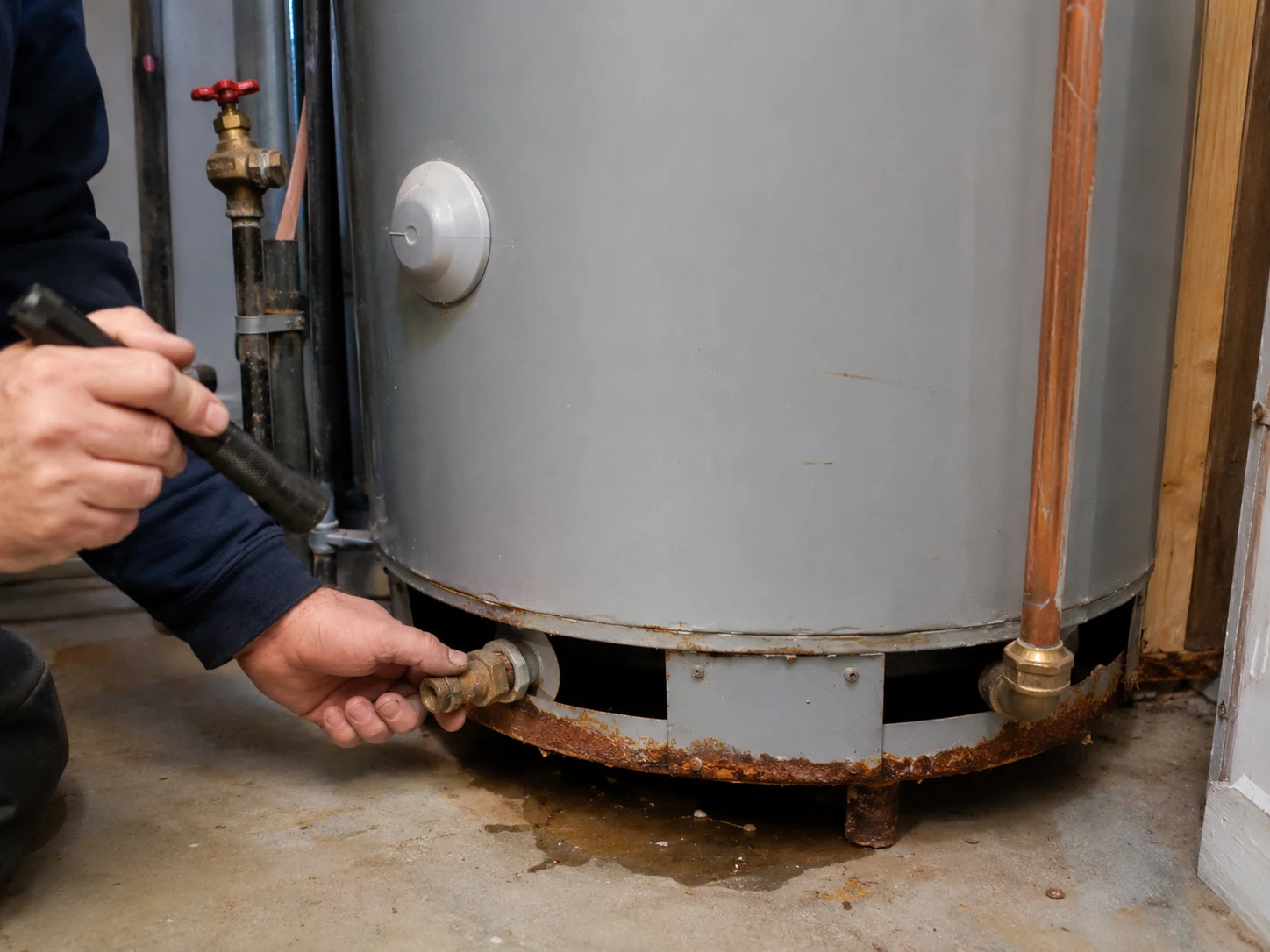
Replace water heater Lafayette IN is a common search when homeowners are dealing with lukewarm water, a leaking tank, rusty water, unusual noises, or repair bills that keep coming back. A water heater does not always fail all at once. In many homes, it slowly becomes less reliable before it stops producing enough hot water or starts leaking.
Thank you for reading this post, don't forget to subscribe!The difficult part is deciding whether a repair is still worth it. A newer water heater with one failed part may be a good repair candidate. An older unit with corrosion, tank leakage, slow recovery, repeated service calls, or poor sizing may cost more to keep patching than it is worth. Replacement can feel like a bigger decision upfront, but it may be the more practical choice when the current unit can no longer support the home reliably.
This guide explains the warning signs that point toward replacement, when repair may still make sense, how sizing affects the decision, and what Lafayette homeowners should consider before installing a new water heater.
Quick Answer
You may need to replace your water heater if the tank is leaking, the unit is older and unreliable, hot water runs out too quickly, repairs are becoming frequent, rusty water appears, the system makes rumbling noises, or the heater no longer matches your household demand. Repair may still make sense when the unit is newer and the problem is limited to one replaceable part.
If the current system is still in decent condition, water heater maintenance in Lafayette may help improve performance and catch minor issues. If the unit is failing, leaking, or no longer keeping up, water heater installation in Lafayette IN may be the better long-term option.
Repair vs Replacement: How to Think About the Decision
The repair vs replacement decision starts with the condition of the water heater. A single problem does not always mean the unit must be replaced. For example, a faulty thermostat, heating element, pilot issue, valve problem, or small component failure may be repairable if the tank is otherwise sound and the unit is not near the end of its useful life.
Replacement becomes more reasonable when the water heater has several warning signs at once. Age, repeated breakdowns, tank corrosion, slow recovery, insufficient hot water, and visible leaks all matter. A water heater that has already needed service more than once may be giving clear signs that another repair will only delay the same conversation.
Homeowners should also think about how much they rely on hot water every day. Showers, laundry, dishwashing, cooking, cleaning, and handwashing all depend on the system working consistently. A water heater that only works sometimes can disrupt the whole home.
There is also a comfort difference between a repair that restores reliable service and a repair that only keeps an old unit running a little longer. The goal should not be to fix the cheapest part today if the unit is likely to fail again soon. The better question is whether the existing water heater can still be trusted.
For Lafayette homeowners, the practical decision usually comes down to three things: how serious the problem is, how old and reliable the unit is, and whether the water heater still fits the home’s hot water needs.
Replace Water Heater Lafayette IN: 7 Serious Signs
Replace water heater Lafayette IN becomes a stronger consideration when warning signs point beyond a simple repair. The first serious sign is a leaking tank. A leak from a fitting, valve, or pipe connection may be repairable, but water coming from the tank itself is usually a major concern. Tank leaks often mean internal corrosion or failure.
The second sign is repeated loss of hot water. If the unit cannot provide enough hot water for normal routines even after maintenance or repair, replacement may be needed. This is especially true when the household has grown, fixtures have changed, or the current tank is undersized.
The third sign is rusty or discolored hot water. Rusty water can come from different places in the plumbing system, but when it appears mainly on the hot side, the water heater should be inspected. It may point to corrosion inside the tank or aging components.
The fourth sign is loud rumbling, popping, or banging from a tank-style water heater. These noises may be connected to sediment buildup inside the tank. Maintenance may help in some cases, but heavy buildup in an older unit can reduce performance and add stress to the system.
The fifth sign is frequent repairs. One repair may be normal. Repeated repairs in a short period can suggest the unit is no longer reliable. If a thermostat, valve, element, pilot system, or other component is fixed and another issue appears soon after, replacement may be the more practical path.
The sixth sign is visible corrosion around the tank, fittings, or lower area of the unit. Corrosion does not always mean immediate failure, but it should never be ignored. It may point to aging, moisture problems, or parts that are wearing down.
The seventh sign is poor recovery. If the water heater takes too long to produce hot water again after use, the unit may be struggling. Poor recovery can come from sediment, part failure, undersizing, or age-related decline.
Helpful answer: If your water heater is leaking from the tank, failing repeatedly, producing rusty hot water, or no longer providing enough hot water, replacement should be discussed instead of continuing with short-term repairs.
When Water Heater Repair May Still Make Sense
Repair may still be the right decision when the water heater is newer, the tank is not leaking, and the issue is limited to one repairable component. Electric water heaters can have heating element or thermostat problems. Gas water heaters may have pilot, ignition, burner, thermocouple, or gas control issues. Some valve, pipe, and connection issues may also be repairable.
A repair may also make sense when the problem appeared suddenly and the unit was working well before. For example, if hot water stopped after one part failed, the water heater may not be near the end of its life. A plumber can evaluate whether replacing the part is a reasonable solution.
Maintenance-related issues may also improve without replacement. Sediment buildup, valve concerns, temperature setting problems, and minor performance issues may be addressed through service if the unit is still in good condition. This is why water heater maintenance can be helpful before assuming the unit must be replaced.
Repair is less convincing when the water heater is older and multiple issues are appearing together. A repair that costs less today may not provide much value if the tank leaks next month or the system fails again during a busy week. Homeowners should weigh the cost of repair against the age, condition, and reliability of the unit.
The best repair decision is based on diagnosis, not guesswork. A plumber can inspect the unit, review the symptoms, check visible connections, and explain whether repair is a practical option or whether replacement is the safer recommendation.
Why a Leaking Tank Changes the Conversation
Water around the base of a water heater should always be taken seriously. Not every leak means the tank has failed. Sometimes water may come from a valve, supply connection, drain valve, condensation, or nearby plumbing. Those issues may be repairable depending on the source.
A tank leak is different. If the tank itself is leaking, the water heater is usually no longer a good repair candidate. The tank is the main storage body of the unit. Once internal corrosion or tank failure begins, a practical repair is usually not available. Replacement becomes the realistic next step.
Homeowners should not ignore a small leak just because the water heater still produces hot water. A small amount of water can become a larger leak, especially if the tank is deteriorating. Water around the heater can damage flooring, walls, nearby belongings, and equipment in the utility area.
If you notice water, try to identify whether it is coming from a visible pipe connection, valve, discharge tube, or the bottom of the tank, but do not take apart the unit or work around unsafe electrical or gas components. Take photos if helpful and call a plumber for evaluation.
For related leaks, valves, or pipe concerns, local plumbing repair help may be needed along with water heater service. The important step is to identify the source of the leak quickly.
Why Proper Water Heater Sizing Matters
Sometimes homeowners think they need repair because the water heater runs out quickly, but the real issue is sizing. A water heater that is too small for the household may work correctly and still fail to meet demand. This can happen when more people move into the home, a bathroom is added, a larger tub is installed, or daily routines change.
For storage tank water heaters, the tank size and first-hour rating matter. First-hour rating describes how much hot water the unit can supply in an hour starting with a full tank. Energy.gov provides sizing guidance for new water heaters that explains why first-hour rating is important for storage water heaters.
For tankless water heaters, flow rate and temperature rise matter. A tankless unit may produce hot water on demand, but it still has limits. Running several showers, a dishwasher, and laundry at the same time can exceed what the unit can provide. Incoming water temperature also affects performance because colder water requires more heating.
When replacing a water heater, choosing the same size as the old unit is not always the best decision. The old unit may have been undersized from the beginning, or the home’s needs may have changed. A plumber can review fixture use, household size, fuel type, available space, venting needs, and installation requirements before recommending a replacement.
Helpful answer: If replace water heater Lafayette IN is being considered because the current unit cannot keep up, sizing should be reviewed before installing the next water heater.
What to Consider Before Choosing a New Water Heater
Choosing a new water heater involves more than picking a tank size. Homeowners should consider fuel type, available space, household hot water use, energy efficiency, installation requirements, venting, budget, and long-term operating costs. Energy.gov’s guidance on selecting a new water heater notes that fuel type, availability, cost, size, and energy efficiency are important considerations.
Common options include storage tank water heaters, tankless water heaters, and heat pump water heaters. Each option has pros and cons. A storage tank water heater is familiar and stores hot water for use throughout the day. A tankless unit heats water on demand and may save space, but it must be sized correctly for flow demand. A heat pump water heater may offer efficiency benefits in the right setting, but installation space and conditions matter.
Fuel type matters as well. Gas and electric systems have different installation needs, operating costs, recovery patterns, and maintenance considerations. Switching from one type to another may require electrical, gas line, venting, or space changes. That can make the installation more involved than replacing like-for-like.
Efficiency should also be considered. A more efficient model may cost more upfront, but it may reduce operating costs over time. The best choice depends on household use, local utility costs, installation conditions, and budget. Homeowners should be careful about choosing only by upfront price without considering whether the unit fits the home properly.
Water quality may also play a role. If the home has hard water, sediment, taste, odor, or mineral concerns, a plumber may discuss water filtration service in Lafayette as part of a broader plumbing and water quality conversation. Filtration does not replace proper water heater sizing or installation, but water quality can affect plumbing performance over time.
What Homeowners Can Check Safely
Before calling for service, homeowners can make a few safe observations. Start by checking whether the hot water problem affects one fixture or the whole house. If only one shower or faucet has trouble, the issue may be a fixture, cartridge, mixing valve, or local plumbing problem. If every hot water fixture is affected, the water heater is more likely involved.
Look for visible water around the unit. Water near the base, around valves, or under nearby pipes should be noted. Do not assume it is harmless condensation unless a professional confirms the source. Take note of when the water appears and whether it gets worse after hot water use.
Listen for new sounds. Rumbling, popping, crackling, hissing, or banging can point to sediment, pressure concerns, or other issues. A quiet water heater that suddenly becomes noisy should be checked.
Observe water color and temperature. Rusty hot water, lukewarm water, or hot water that turns cold quickly can help a plumber understand the likely cause. Mention whether the issue started suddenly or has been slowly getting worse.
Do not open electrical panels, remove gas components, adjust gas controls, or attempt pressure valve work unless you are qualified. Water heaters involve hot water, pressure, gas, electricity, and venting. Unsafe DIY work can create serious risks.
It is also helpful to know the approximate age of the unit. If you have installation paperwork, model information, or a label showing manufacture date, keep it available. Age is not the only factor, but it helps frame the repair vs replacement discussion.
How Cost and Timing Affect the Decision
Cost is one of the biggest reasons homeowners hesitate to replace a water heater. A repair may feel easier because the upfront cost is usually lower. That can be the right choice when the unit is in good shape. But when a water heater is older, leaking, or needing repeated service, repair costs can become a pattern rather than a solution.
Timing matters too. Replacing a water heater before total failure gives homeowners more control. You can ask questions, compare options, review sizing, and schedule installation without the pressure of having no hot water. Waiting until the tank leaks or the system fails completely can make the decision more stressful.
A planned replacement can also reduce disruption. The plumber can inspect the location, check venting or electrical needs, review the current setup, and make sure the new unit fits the space and household demand. An emergency replacement may still be necessary sometimes, but it leaves less room for planning.
Think about the cost of failure as well. A leaking tank can affect flooring, drywall, stored items, and surrounding equipment. A sudden no-hot-water problem can disrupt work, school, childcare, guests, and daily routines. Reliability has value when hot water is essential to the home.
Helpful answer: For replace water heater Lafayette IN, the best timing is usually before a total failure when warning signs are already clear.
Frequently Asked Questions
When should I replace my water heater instead of repairing it?
Replacement may be better when the tank is leaking, the unit is old, repairs are frequent, hot water is unreliable, rusty water appears, or the system no longer meets household demand. Repair may still make sense for a newer unit with one clear component issue.
Is a leaking water heater always a replacement issue?
It depends on the leak source. A pipe, valve, or fitting leak may be repairable. A leak from the tank itself usually points toward replacement because the tank is the main body of the unit.
Why does my water heater keep running out of hot water?
Hot water may run out because of sediment buildup, a failed part, a broken dip tube, thermostat issues, heavy household demand, or an undersized unit. A plumber can inspect the system and explain whether repair, maintenance, or replacement is appropriate.
Should I choose the same size water heater again?
Not automatically. The home’s hot water demand may have changed, and the old unit may not have been sized correctly. A plumber should review household use, fixture demand, fuel type, and installation conditions before recommending a size.
Can maintenance delay water heater replacement?
Maintenance can help a water heater perform better and may extend useful service when the tank is still in good condition. It cannot fix a leaking tank, severe corrosion, or a unit that is no longer reliable.
Who should install a replacement water heater?
A qualified plumber should handle replacement because water heaters involve plumbing connections, temperature and pressure safety, gas or electrical work, venting, and local installation requirements.
Conclusion
Replace water heater Lafayette IN becomes the right conversation when a unit is leaking, aging, unreliable, undersized, or costing too much in repeated repairs. A simple component issue may still be worth repairing, but tank leaks, rusty hot water, poor recovery, recurring breakdowns, and serious corrosion usually point toward replacement.
The best replacement decision considers more than the old tank size. Homeowners should think about household demand, fuel type, available space, installation requirements, efficiency, and long-term reliability. A properly selected and installed water heater can provide more consistent hot water and reduce the stress of repeated service problems.
Lickity Split Plumbing helps Lafayette homeowners evaluate water heater problems, maintain existing units, and install new water heaters when replacement makes more sense. If your current water heater is showing warning signs, scheduling service before a complete failure can help you make a better decision with less pressure.
