When Is Repiping Better Than Another Pipe Repair?
Repiping vs pipe repair Lafayette IN is an important question for homeowners dealing with repeat leaks, old pipes, low water pressure, rusty water, slab leak concerns, or plumbing repairs that keep coming back. A single pipe repair can be the right choice when the problem is isolated. But when leaks keep appearing in different areas, water pressure keeps dropping, or old piping is becoming unreliable, repiping may be the better long-term solution.
Thank you for reading this post, don't forget to subscribe!The challenge is knowing when a repair is enough and when it only delays a bigger issue. A plumber may be able to fix one leaking section today, but if the surrounding pipes are aging, corroded, brittle, or already showing widespread problems, another leak may appear later. That is why homeowners should look at the pattern, not just the current leak.
This guide explains how to compare repiping and pipe repair, what warning signs matter, when a targeted repair makes sense, when repiping should be discussed, and how Lafayette homeowners can make a practical decision without overreacting or waiting too long.
Quick Answer
Pipe repair may be enough when one accessible section is leaking, the rest of the plumbing is in good condition, and there is no pattern of repeated failures. Repiping may make more sense when leaks keep happening, water pressure is poor throughout the home, pipes are old or corroded, water looks rusty, slab leaks are recurring, or repairs are becoming frequent.
If the issue is isolated, local plumbing repair help may solve the immediate problem. If the home has repeated pipe failures or aging plumbing throughout the system, repiping plumbing services in Lafayette IN may be the more reliable long-term option.
Pipe Repair vs Repiping: What Is the Difference?
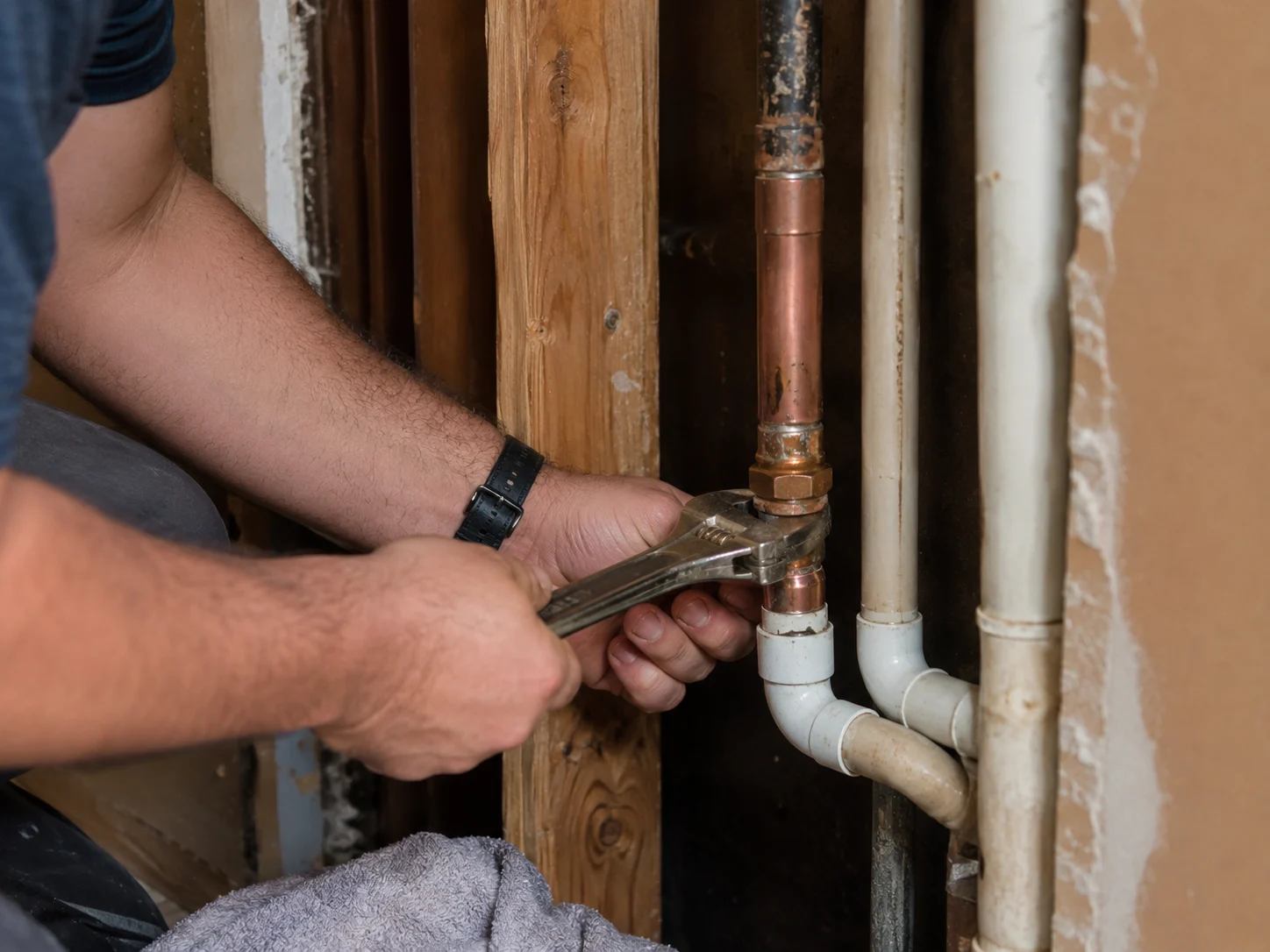
Pipe repair focuses on fixing a specific problem. This may mean repairing a leaking section, replacing a damaged fitting, correcting a valve issue, or addressing a small part of the plumbing system. Pipe repair is often the right choice when the problem is clearly limited and the surrounding pipes are still in good condition.
Repiping is different. Repiping means replacing a larger section of piping or, in some cases, the full supply piping system in the home. It is usually considered when the existing plumbing is no longer dependable enough for repeated small repairs to make sense.
The difference is not only the size of the job. It is the purpose of the job. A repair is meant to solve a specific failure. Repiping is meant to address a broader reliability problem. If one pipe was damaged by a nail, a repair may be enough. If pipes are failing because of age, corrosion, material condition, or repeated pressure issues, repiping may be the more practical path.
Homeowners sometimes hesitate to discuss repiping because it sounds like a major project. That is understandable. But repiping is not recommended simply because one pipe leaks. It becomes part of the conversation when the plumbing system shows a pattern that another patch may not solve.
The best decision starts with diagnosis. A plumber should look at the location of the leak, pipe material, age, visible condition, repair history, water pressure, and whether the problem appears isolated or widespread.
Repiping vs Pipe Repair Lafayette IN: 7 Serious Signs
Repiping vs pipe repair Lafayette IN becomes a more serious decision when several warning signs appear together. The first sign is repeated leaks in different areas of the home. One leak may be random. Several leaks over time can suggest that the piping system is aging or weakening.
The second sign is visible corrosion. If exposed pipes show rust, flaking, mineral deposits, greenish staining, discoloration, or damp areas around joints, the pipe condition should be evaluated. Visible corrosion does not always mean immediate repiping, but it can be part of a larger pattern.
The third sign is low water pressure throughout the home. If pressure is weak at several fixtures, the issue may be related to buildup inside pipes, old piping, supply restrictions, valve issues, or other system-wide concerns. A plumber should inspect before assuming the cause.
The fourth sign is rusty or discolored water. If discoloration appears mainly when using certain fixtures or after water sits in the pipes, old or deteriorating plumbing may be one possible cause. Water quality issues can also come from the water heater or supply, so diagnosis matters.
The fifth sign is frequent slab leak concerns. If leaks occur under or near the slab more than once, repairing only one section may not address the condition of the remaining buried lines. Slab leaks often require careful evaluation because access and long-term reliability both matter.
The sixth sign is water damage from hidden leaks. Stains, warped flooring, damp drywall, musty odors, or repeated moisture problems may point to leaks that are not easy to see. EPA guidance reminds homeowners that finding and fixing leaks is important, and moisture control is central to preventing mold-related problems in the home.
The seventh sign is repair fatigue. If homeowners keep paying for small repairs, opening walls, cleaning up moisture, and worrying about the next leak, replacement of aging piping may become a more practical investment than continuing to patch weak sections.
Helpful answer: Repiping becomes worth discussing when plumbing problems are no longer isolated and the pattern suggests the system itself is becoming unreliable.
When Another Pipe Repair May Be Enough
Another pipe repair may be enough when the problem is limited, accessible, and not connected to a larger pattern. For example, if one pipe is damaged during remodeling or one fitting begins leaking under a sink, replacing or repairing that section may be a reasonable solution.
Repair may also make sense when the rest of the plumbing system is in good condition. A newer plumbing system can still have a failed valve, loose fitting, or isolated leak. In that situation, repiping a larger area may not be necessary.
A pipe repair can also be practical when the homeowner has no history of recurring leaks, water pressure problems, or water discoloration. If the current issue is the first plumbing leak in many years, the plumber may focus on fixing the specific source and checking nearby connections.
Cost and disruption also matter. If the repair is straightforward and the pipe condition looks reliable, a targeted repair is usually less disruptive than repiping. Homeowners should not assume that every leak means a major project is needed.
The key is to ask whether the repair solves the cause or only the symptom. If a pipe froze and split in one exposed area, repair and better freeze protection may be enough. If old pipes are corroding in multiple locations, a repair may only solve today’s leak.
For cold-weather pipe failures, frozen and burst pipe repair in Lafayette may be the right immediate service. After the emergency repair, the plumber can advise whether the issue was isolated or whether pipe condition creates additional risk.
When Repiping Makes More Sense
Repiping makes more sense when the plumbing system shows broader weakness. This does not always mean every pipe in the home must be replaced at once. Sometimes the practical recommendation is to replace a problem area. Other times, a whole-home repipe may be discussed because the system has widespread age or material concerns.
Repeated leaks are one of the strongest reasons to consider repiping. If a plumber fixes one section and another leak appears somewhere else soon after, the issue may not be workmanship or bad luck. It may be that the piping system is reaching a point where failures are more likely.
Repiping may also be considered when pipes are difficult to access and repairs are becoming disruptive. Opening walls, ceilings, cabinets, or flooring repeatedly can add stress and cost. A planned repipe may be less frustrating than repeated emergency repairs in finished spaces.
Water pressure issues can also support a repiping discussion. If old pipes are restricted by corrosion or buildup, the home may not get consistent flow. Repairing one small section may not improve pressure if the restriction exists throughout the system.
Repiping may also make sense when remodeling a kitchen, bathroom, laundry room, or basement area. If walls are already open and older piping is visible, it can be a practical time to address weak sections before new finishes are installed.
Helpful answer: If repiping vs pipe repair Lafayette IN comes up because the same home keeps having leaks, pressure issues, or hidden moisture concerns, repiping may provide a more dependable long-term fix than another isolated repair.
How Slab Leaks Affect the Decision
Slab leaks can make the repair vs repiping decision more complicated. A slab leak happens when a water line leaks under or within the concrete slab. Because the pipe is not easily accessible, the repair approach must consider location, pipe condition, damage, and how likely future leaks may be.
One isolated slab leak may be repairable depending on the situation. However, repeated slab leaks can suggest a broader issue with buried lines. In that case, repairing only the current leak may not prevent the next one. A plumber may discuss rerouting or repiping options if the existing under-slab piping is no longer dependable.
Possible slab leak signs include warm floor areas, damp flooring, unexplained water use, low pressure, running water sounds, or moisture near baseboards. These symptoms can have other causes too, so professional evaluation is important.
If a slab leak is suspected, slab leak detection and repair service can help identify the likely source and determine the best repair path. The decision may involve targeted repair, line rerouting, or larger repiping depending on the plumbing layout and condition.
Homeowners should avoid guessing where the leak is located. Water can travel under flooring or along structural paths before it becomes visible. A careful diagnosis helps avoid unnecessary demolition and supports a better repair recommendation.
Low Water Pressure and Aging Pipes
Low water pressure can be caused by many things, including fixture aerators, valves, municipal supply conditions, water heater issues, pressure regulators, leaks, or clogged lines. But when pressure is weak throughout the home and the plumbing is older, pipe condition should be considered.
Over time, some pipes can develop internal buildup that narrows the opening where water flows. This can reduce pressure and make fixtures feel weaker. The issue may appear gradually, which means homeowners sometimes adapt to poor pressure without realizing the plumbing system has changed.
Pressure problems should be diagnosed before choosing a solution. Replacing one fixture will not solve a system-wide pipe restriction. Repairing one small leak will not restore flow if multiple lines are affected. On the other hand, repiping may not be needed if the issue is a simple valve, regulator, or fixture problem.
A plumber can compare pressure at different fixtures, inspect visible piping, check valves, and look for signs that the issue is local or widespread. If low pressure is connected to aging pipes throughout the home, repiping may be discussed as a long-term solution.
Water quality concerns can also be part of the conversation. If discoloration, sediment, taste, odor, or mineral concerns are present, water filtration service in Lafayette may be worth discussing. Filtration does not replace damaged pipes, but it can be part of a broader water quality review.
What Homeowners Can Check Safely
Homeowners can make a few safe observations before calling a plumber. Start by noting where the problem appears. Is it one fixture, one room, one floor, or the whole house? A single sink with weak pressure may be a fixture issue. Weak pressure throughout the home may point to a broader plumbing concern.
Look for visible pipe symptoms in accessible areas like basements, crawl spaces, utility rooms, under sinks, near water heaters, and behind access panels. Watch for corrosion, mineral deposits, damp spots, staining, or water marks below pipe joints.
Pay attention to leak history. Write down where past leaks happened, when they occurred, and what was repaired. If leaks keep appearing in different areas, that pattern matters. It may help the plumber determine whether the issue is isolated or system-wide.
Watch for water color. Rusty or discolored water should be noted, especially if it appears mainly on hot water, cold water, one fixture, or the whole house. This information helps separate water heater issues, supply issues, and pipe issues.
Listen for running water sounds when fixtures are off. If you hear water moving behind walls, under floors, or near the slab, there may be a hidden leak. Do not open walls or floors without guidance unless there is an emergency and water needs to be stopped.
Know where the main water shutoff is located. If a pipe bursts or an active leak spreads, shutting off the water quickly can reduce damage while waiting for repair.
How to Think About Cost and Long-Term Value
Pipe repair usually costs less upfront than repiping. That is one reason repair is often the first choice when a problem is isolated. But if repairs keep happening, the total cost and disruption can grow. Repeated service calls, wall repairs, ceiling repairs, flooring repairs, and moisture cleanup can add up over time.
Repiping is a larger project, but it may provide more long-term value when the existing system is unreliable. Instead of fixing one weak section after another, repiping addresses the broader pipe condition. This can reduce the stress of wondering where the next leak will appear.
Homeowners should also think about the cost of water damage. A hidden leak can affect drywall, cabinets, flooring, insulation, and personal belongings. EPA mold guidance emphasizes moisture control, which is why plumbing leaks should be fixed and wet areas should be addressed promptly.
The decision should balance immediate cost, future risk, home age, pipe condition, repair history, and household plans. If you plan to stay in the home for years, investing in reliable plumbing may make more sense than repeated short-term fixes. If the issue is truly isolated, a repair may be all that is needed.
Helpful answer: For repiping vs pipe repair Lafayette IN, the best choice is not always the cheapest immediate option. It is the option that matches the condition of the plumbing system and the likelihood of future leaks.
When to Call a Plumber
Call a plumber when a pipe is leaking, water pressure drops suddenly, stains appear, pipes show corrosion, or water damage is spreading. You should also call when a previous repair has failed or when another leak appears in a different area of the home.
Professional evaluation is especially important when the leak is behind a wall, under flooring, near a slab, or connected to older piping. A plumber can inspect accessible areas, identify likely causes, and explain whether repair or repiping is the better recommendation.
If water is actively leaking, shut off the nearest fixture valve if it is safe and clear. If you cannot isolate the leak, shut off the main water supply and call for service. Avoid working around electrical outlets, wet wiring, or ceiling water because safety risks may be present.
If the issue appears related to a drain or sewer line rather than a supply pipe, a plumbing camera inspection may be useful. Different types of leaks and blockages require different diagnostic methods, so describing the symptoms clearly helps the plumber choose the right approach.
Frequently Asked Questions
When is repiping better than pipe repair?
Repiping may be better when leaks keep happening, pipes are old or corroded, water pressure is poor throughout the home, water is discolored, or slab leaks are recurring. Pipe repair may be enough when the problem is isolated and the rest of the system is in good condition.
Does one pipe leak mean I need repiping?
No. One pipe leak does not automatically mean repiping is needed. A single accessible leak may only need a targeted repair. Repiping becomes more relevant when there is a pattern of repeated leaks or widespread pipe deterioration.
Can repiping improve water pressure?
Repiping may improve water pressure if the pressure problem is caused by old, restricted, corroded, or undersized pipes. If the issue is a fixture, valve, or pressure regulator, another repair may be needed instead.
Should I repipe after a slab leak?
It depends on the cause and condition of the piping. One slab leak may be repairable. Repeated slab leaks or failing under-slab lines may lead to a discussion about rerouting or repiping.
How do I know if my pipes are too old?
Warning signs can include repeated leaks, corrosion, low pressure, rusty water, visible staining, and frequent repairs. A plumber can inspect the pipe material, visible condition, and repair history to help you decide.
Is repiping disruptive?
Repiping is more involved than a small pipe repair, but planning can help reduce disruption. The scope depends on the home layout, pipe access, number of fixtures, and whether partial or whole-home repiping is needed.
Conclusion
Repiping vs pipe repair Lafayette IN depends on whether the plumbing problem is isolated or part of a larger pattern. A single leak, damaged fitting, or accessible pipe issue may only need a repair. Repeated leaks, aging pipes, low pressure, corrosion, slab leak concerns, and recurring hidden moisture problems may make repiping the more practical long-term choice.
The best decision comes from looking at the whole system, not just the leak that is visible today. Homeowners should consider repair history, water pressure, pipe condition, moisture damage, access, and the likelihood that another leak will appear later.
Lickity Split Plumbing helps Lafayette homeowners evaluate pipe problems, handle plumbing repairs, investigate slab leak concerns, and discuss repiping options when repeated repairs no longer make sense. If your home keeps having leaks or pressure problems, scheduling a plumbing evaluation can help you decide whether another repair is enough or whether it is time to plan a more reliable solution.
