Drain Keeps Clogging Lafayette IN? What Homeowners Should Check First
If your drain keeps clogging Lafayette IN, the issue is usually more than a small surface clog. Recurring drain problems often point to buildup inside the pipe, grease, hair, soap residue, food waste, roots, pipe slope problems, or a deeper blockage that was never fully removed.
Thank you for reading this post, don't forget to subscribe!A drain that clears for a few days and then slows down again is showing a pattern. For homeowners in Lafayette, West Lafayette, Dayton, Shadeland, Buck Creek, and nearby Indiana communities, repeated clogs should be checked before they turn into backups, odors, cabinet damage, or a larger plumbing repair.
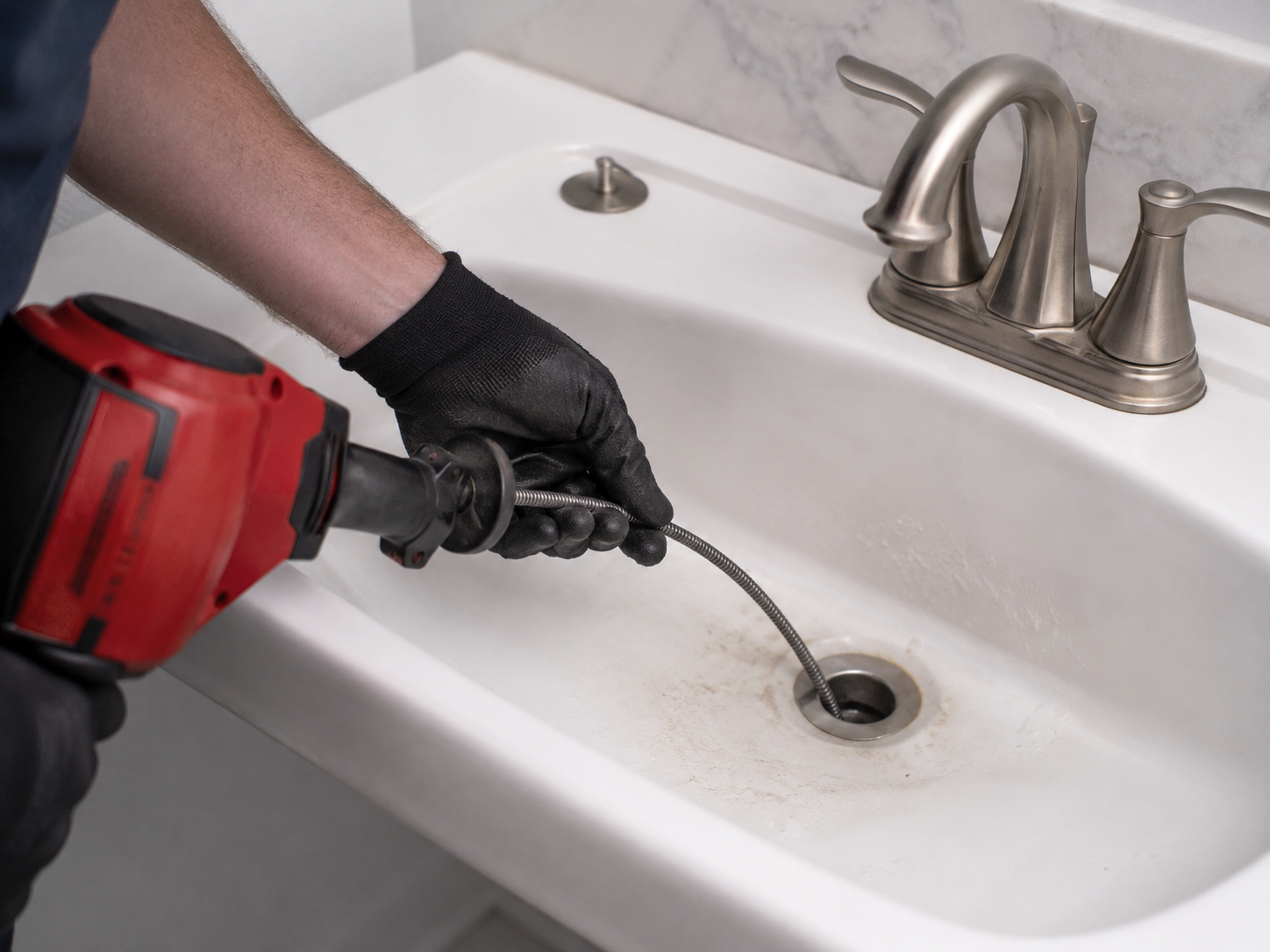
Recurring drain clogs are often a sign that buildup, blockage, or pipe conditions deeper in the plumbing system need attention.
Quick Answer: Why Does the Same Drain Keep Clogging?
A drain usually keeps clogging because the first cleaning only opened a temporary path through the blockage. Grease, sludge, hair, soap film, food particles, roots, wipes, or mineral buildup may still be attached to the pipe walls. Once normal water flow resumes, more debris catches on the remaining buildup and the clog returns.
If the same fixture keeps slowing down, or more than one drain is affected, professional drain cleaning services can help clear the line more completely and determine whether hydro jetting, a camera inspection, or plumbing repair is needed.
Key Takeaways
- A one-time clog may be simple, but a repeated clog usually means the full obstruction was not removed.
- Kitchen drains often clog from grease, food waste, coffee grounds, starches, and disposal overload.
- Bathroom drains commonly clog from hair, soap film, toothpaste, shaving residue, and personal care products.
- Multiple slow drains can point to a shared drain line or main sewer line issue.
- Hydro jetting may help when buildup coats the pipe walls and clogs keep coming back.
- A camera inspection can help identify roots, pipe damage, a pipe belly, or a deeper blockage.
Why Drains Keep Clogging After You Clear Them
When a drain clogs repeatedly, the blockage is usually not sitting only at the drain opening. Many homeowners remove visible debris, use a plunger, or get the water moving again, but the pipe may still have buildup farther inside. Once water starts flowing, the drain seems fixed. Then the remaining buildup catches more debris, and the same drain clogs again.
This is why recurring clogs should be treated differently than a single slow drain. A bathroom sink that slows down after months of normal use may have hair or soap scum near the stopper. A bathroom sink that clogs again shortly after being cleared may have thicker buildup inside the trap or drain line.
Kitchen drains, bathroom drains, laundry drains, tubs, showers, floor drains, and toilets all have different clog patterns. The important detail is repetition. If the same drain has been cleared before and the problem returns, the pipe may need more complete drain cleaning or inspection.
Important: If water is backing up into another fixture, more than one drain is slow, or a floor drain is involved, stop using affected fixtures until the issue is checked. Continued water use can make a backup worse.
Common Causes of Recurring Drain Clogs in Lafayette Homes
Kitchen Buildup
Grease, food particles, coffee grounds, rice, pasta, and disposal waste can narrow kitchen drain lines over time.
Bathroom Debris
Hair, soap film, shaving residue, toothpaste, and personal care products can collect inside sink, tub, and shower drains.
Deeper Line Issues
Roots, pipe bellies, rough pipe walls, scaling, corrosion, or foreign objects can cause the same clog to return.
Grease and Food Waste in Kitchen Drains
Grease is one of the most common reasons kitchen drains keep clogging. Warm grease may go down the sink as a liquid, but it can cool, stick to the inside of the pipe, and catch food scraps. Over time, that sticky layer becomes a repeated restriction.
The City of Lafayette provides helpful fats, oils, and grease prevention guidance for residents because grease can contribute to drain and sewer blockages.
Pro Tip: Let grease cool, place it in a disposable container, and throw it away. Do not rinse grease, bacon fat, pan drippings, or cooking oil down the sink.
Hair, Soap Film, and Bathroom Drain Sludge
Bathroom drains often clog for different reasons than kitchen drains. Hair, shaving residue, toothpaste, soap scum, and personal care products can collect around stoppers, drain covers, trap areas, and pipe walls. Once the opening narrows, normal daily use can create slow drainage.
If a tub or shower drains slowly every few weeks, the problem may be more than hair sitting near the cover. It may be a thicker buildup farther inside the line that needs to be cleared more completely.
Wipes, Paper Towels, and Non-Flushable Items
Toilets can develop repeated clogs when wipes, paper towels, hygiene products, cotton swabs, dental floss, or similar items are flushed. Even products labeled as flushable can contribute to plumbing issues because they may not break down like toilet paper.
The EPA lists fats, oils, grease, roots, wipes, and other materials as common contributors to sanitary sewer blockage and overflow problems. You can review the EPA’s sewer overflow information here: EPA sanitary sewer overflow information.
Tree Roots or Physical Pipe Problems
Sometimes the cause is not daily use. Tree roots can enter sewer lines through cracks or joints. A pipe may have a belly, which is a low spot where waste and water collect instead of moving smoothly. Older pipes may have corrosion, scale, rough interior surfaces, or previous repair areas that catch debris.
These issues cannot be solved permanently by clearing only the visible clog. If the same drain keeps clogging after service, a camera inspection may help identify what is happening inside the line.
Warning Signs the Clog Is More Than a Simple Drain Problem
A simple clog usually affects one fixture and improves after the obstruction is removed. A larger drain issue may show up through repeated symptoms, multiple affected fixtures, odors, gurgling, or water backing up where it should not.
The strongest clue is the pattern. If the same drain was recently cleared and the same symptoms return, the line may still be restricted. This is especially true when water drains slowly even after removing visible debris, plunging, or cleaning the stopper.
Call a plumber if you notice these signs:
- The same sink, tub, shower, or floor drain clogs repeatedly
- More than one drain is slow at the same time
- A toilet gurgles when another fixture drains
- Water backs up into a shower, tub, sink, or floor drain
- The drain smells like sewage, rotten food, or stagnant water
- The clog returns shortly after plunging or home cleaning
- Slow drains become worse during heavy household water use
- Drain problems happen repeatedly after heavy rain or wet weather
Important: Multiple slow drains can suggest a shared drain line or main sewer line problem. That is more urgent than one isolated sink clog because continued water use may cause backup into lower fixtures.
Drain Cleaning vs Hydro Jetting: Which One Fits the Problem?
Drain cleaning and hydro jetting are related services, but they are not the same solution. Standard drain cleaning is commonly used to clear blockages and restore flow. It may be the right first step when the clog is reachable and appears to come from normal household buildup.
Hydro jetting uses high-pressure water to clean more of the pipe interior. Instead of only opening a path through the blockage, hydro jetting can help remove grease, sludge, and buildup from the pipe walls. This can be useful when drains keep clogging because the line has accumulated material over time.
Hydro jetting is not automatically the right choice for every drain. A plumber needs to consider pipe age, pipe material, clog location, blockage type, and whether there may be damage inside the line. In some recurring clog situations, a camera inspection may be recommended before jetting.
| Situation | Likely Cause | Service to Consider |
|---|---|---|
| One sink drains slowly | Local trap or fixture-area buildup | Drain cleaning |
| Kitchen drain keeps clogging | Grease, food waste, or pipe-wall buildup | Drain cleaning or hydro jetting |
| Several drains are slow | Shared line or main line restriction | Camera inspection and drain service |
| Clog returns after recent clearing | Remaining buildup or deeper obstruction | Camera inspection or hydro jetting evaluation |
| Roots or pipe damage are suspected | Cracked pipe, joint intrusion, or pipe condition issue | Camera inspection and plumbing repair review |
When a Camera Inspection Makes Sense
A camera inspection is useful when the problem cannot be fully understood from the drain opening. During a plumbing camera inspection, a specialized camera is used to look inside the line and help identify the location and nature of the problem.
This can help identify heavy buildup, root intrusion, foreign objects, damaged pipe sections, offset joints, or areas where the line may be holding waste. Without seeing inside the line, it can be difficult to know why the same clog keeps returning.
A plumbing camera inspection is not necessary for every slow drain. It becomes more useful when clogs repeat, affect multiple fixtures, cause backups, or suggest a deeper drain or sewer line issue.
Pro Tip: If you have already paid to clear the same drain more than once, ask whether inspection makes sense before repeating the same temporary fix.
What Homeowners Can Check Safely Before Calling a Plumber
Before calling a plumber, homeowners can check a few simple things safely. Start with the visible part of the drain. In a bathroom sink, hair and residue often collect around the stopper. In a shower or tub, the drain cover may trap hair and soap buildup.
For a kitchen sink, avoid sending more grease, oil, coffee grounds, rice, pasta, or food waste down the drain. If the garbage disposal is involved, turn it off before inspecting anything and never put your hand inside the disposal.
A plunger may help some sink, tub, or toilet clogs, but repeated force is not always helpful. If plunging does not work after a few careful attempts, the clog may be deeper or more stubborn than a surface blockage.
Avoid mixing chemical drain cleaners with other products. Harsh cleaners may not remove the real obstruction and can create safety concerns if the drain remains clogged and a plumber needs to work on the line.
Helpful details to note before scheduling service:
- Which drain is affected?
- How often has the clog returned?
- Does the issue happen after laundry, showers, dishwashing, or toilet use?
- Are there odors, gurgling sounds, or backups?
- Did the drain clog again shortly after it was cleared?
- Are multiple fixtures affected at the same time?
How to Reduce the Chance of Future Drain Clogs
Good drain habits can reduce the chance of repeated clogs. In the kitchen, keep grease, oil, coffee grounds, rice, pasta, eggshells, fibrous food waste, and large food scraps out of the drain. Even with a garbage disposal, the drain line is not designed to handle everything.
In bathrooms, use drain screens when possible and clean them regularly. Hair and soap film are easier to remove from a screen than from inside the drain line. Avoid flushing wipes, paper towels, cotton products, dental floss, and hygiene items.
Homeowners should also pay attention to early warning signs. A drain that begins slowing down should not be ignored until it is fully blocked. A small recurring issue is often easier to address than a complete backup.
If your home has a history of grease buildup, repeated main line clogs, or root intrusion, regular drain evaluation may help catch problems earlier. The right maintenance plan depends on the home, the plumbing condition, and the type of issue that has happened before.
Get Help When a Drain Keeps Clogging in Lafayette, IN
If your drain keeps clogging in Lafayette, IN, do not keep repeating the same temporary fix. The problem may be buildup inside the pipe, a deeper blockage, grease accumulation, root intrusion, or a plumbing condition that needs inspection.
Lickity Split Plumbing helps Lafayette-area homeowners with recurring clogs, slow drains, drain backups, hydro jetting evaluations, camera inspections, and plumbing repair needs.
Schedule drain cleaning service, learn more about hydro jetting, or request a camera inspection if your clog keeps coming back.
FAQ: Drain Keeps Clogging Lafayette IN
Why does my drain keep clogging after I clear it?
A drain may keep clogging after you clear it because only part of the blockage was removed. Buildup may still be attached to the pipe walls, or the obstruction may be deeper in the drain line. If the same drain clogs again quickly, professional cleaning or inspection may be needed.
Is hydro jetting better than regular drain cleaning?
Hydro jetting can be better for heavy grease, sludge, and recurring buildup because it uses high-pressure water to clean more of the pipe interior. Regular drain cleaning may be enough for simpler clogs. A plumber can determine which method fits the drain problem and pipe condition.
When should I get a camera inspection for a clogged drain?
A camera inspection is useful when clogs keep coming back, multiple drains are slow, there are gurgling sounds, or water backs up into another fixture. It helps identify whether the issue is buildup, roots, pipe damage, a foreign object, or another condition inside the line.
Can grease cause recurring drain clogs?
Yes. Grease can cool and stick to the inside of pipes. Once it builds up, it catches food particles and other debris. This is one of the most common reasons kitchen drains slow down or clog repeatedly.
Should I use chemical drain cleaners?
It is better to be cautious with chemical drain cleaners because they do not always remove the full blockage. Repeated use can also create safety concerns, especially if standing water remains and a plumber needs to work on the line.
What does it mean if more than one drain is slow?
If more than one drain is slow at the same time, the problem may be in a shared drain line or the main sewer line. This is more serious than a single fixture clog and should be checked before a backup occurs.
When should I call a plumber for a drain that keeps clogging?
Call a plumber when the same drain clogs repeatedly, the clog returns after clearing, multiple drains are slow, odors are present, water backs up into another fixture, or home cleaning attempts no longer work.
