Drain Cleaning vs Hydro Jetting: What Lafayette Homeowners Should Know
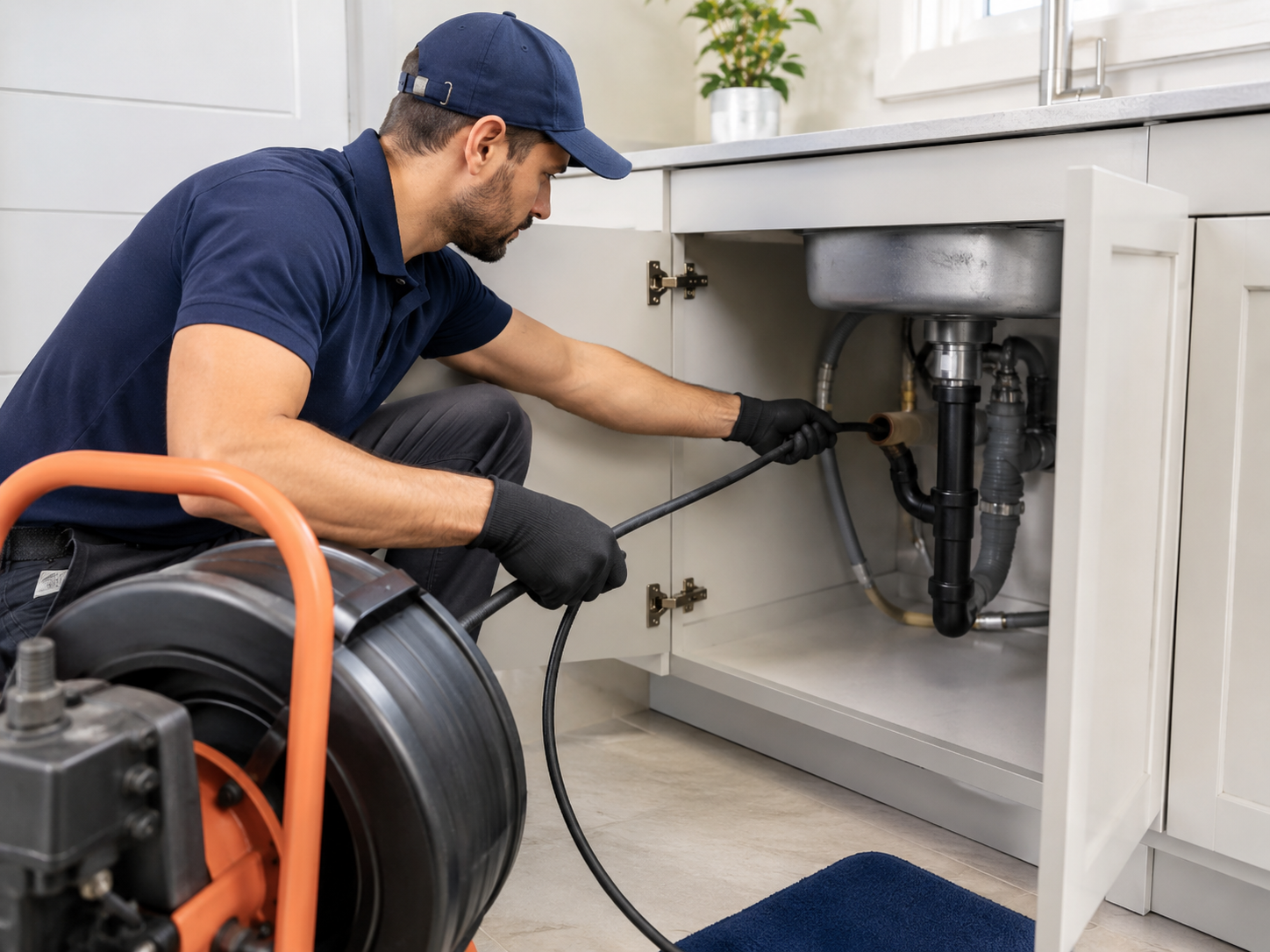
Drain cleaning vs hydro jetting Lafayette IN is a common question for homeowners dealing with slow drains, recurring clogs, grease buildup, or sewer line concerns. Both services are designed to improve drainage, but they are not the same. Standard drain cleaning is often used to open a blocked line and restore flow. Hydro jetting uses high-pressure water to clean the inside of the pipe more thoroughly when buildup is heavy or the same clog keeps returning.
Thank you for reading this post, don't forget to subscribe!The right choice depends on the condition of the pipe, the location of the clog, the type of material causing the blockage, and how often the problem has happened before. A kitchen sink with a simple food obstruction may not need the same service as a main sewer line with years of grease, sludge, or root intrusion. A bathroom drain with hair near the stopper may be handled differently than a drain line that has backed up several times in one month.
This guide explains how both services work, when one may make more sense than the other, why camera inspection is sometimes recommended, and what Lafayette homeowners should know before choosing a drain service.
Quick Answer
Drain cleaning is usually used to clear a clog and restore water flow. Hydro jetting is often used when a drain line has heavy buildup, grease, sludge, or recurring blockages that need a more thorough cleaning. If the pipe condition is unknown, a plumber may recommend a plumbing camera inspection before hydro jetting to see what is happening inside the line.
If one sink or tub is draining slowly for the first time, standard professional drain cleaning services in Lafayette may be enough. If the same drain keeps clogging, multiple drains are slow, or the home has a history of sewer line problems, hydro jetting for stubborn drain buildup may be worth considering after the line is evaluated.
What Is Drain Cleaning?
Drain cleaning is a general term for clearing a blockage inside a drain line. A plumber may use professional tools to break through, remove, or pull out the obstruction so water can move through the pipe again. This service is commonly used for clogged kitchen sinks, bathroom sinks, showers, tubs, toilets, laundry drains, and other household drain lines.
In many cases, the goal of drain cleaning is to restore flow. If hair, soap residue, food particles, or a small obstruction is stopping water from draining, clearing that blockage may solve the immediate problem. This can be especially helpful when the clog is close to the fixture or has not happened repeatedly.
Drain cleaning can also help identify whether the problem is more serious. If the line clears easily and the drain works normally afterward, the issue may have been a standard clog. If the tool hits a hard obstruction, the clog returns quickly, or water backs up in another fixture, the problem may be deeper in the drain or sewer system.
For homeowners, it is important to understand that drain cleaning is not only about making water disappear from the sink or tub. A good service should consider why the clog happened, whether it is likely to return, and whether additional inspection may be needed.
What Is Hydro Jetting?
Hydro jetting is a drain and sewer cleaning method that uses high-pressure water to clean the inside of the pipe. Instead of simply opening a path through a blockage, hydro jetting can help remove material from the pipe walls. This can include grease, sludge, soap film, mineral buildup, and other debris that has collected over time.
This method is often used for stubborn or recurring clogs. Kitchen drain lines can collect grease and food residue. Main sewer lines can collect waste buildup, sediment, and roots. In some cases, a line may still allow water to pass but remain narrowed by buildup. That is when the same drain problem can keep returning even after a temporary fix.
Hydro jetting is not automatically the right choice for every drain. The condition of the pipe matters. A plumber may need to confirm whether the line is strong enough and whether the issue is actually buildup rather than a collapsed pipe, severe root damage, or another structural concern. This is one reason camera inspection can be useful before jetting.
When used in the right situation, hydro jetting can be a strong option for homeowners who are tired of repeated clogs and want a more complete cleaning of the affected line.
Drain Cleaning vs Hydro Jetting Lafayette IN: Main Differences
The biggest difference between drain cleaning and hydro jetting is how each service addresses the blockage. Standard drain cleaning is often focused on clearing the clog so water can flow again. Hydro jetting is focused on cleaning more of the pipe interior, especially when buildup is coating the walls of the line.
Think of standard drain cleaning as opening the blocked path. Think of hydro jetting as washing the inside of the pipe when the pipe has accumulated buildup. Both can be useful, but they are used for different situations.
Drain cleaning may be a better fit when the clog is isolated, recent, and likely caused by a small obstruction. Hydro jetting may be a better fit when the line has a history of repeated problems, especially if grease, sludge, or heavy buildup is suspected.
Another difference is the evaluation process. Many standard drain clogs can be handled after a basic assessment. Hydro jetting may require more caution because pressure, pipe condition, and obstruction type matter. If there is concern about damaged pipe, roots, or a deep blockage, the plumber may want to inspect the line before deciding whether jetting is appropriate.
Helpful answer: For drain cleaning vs hydro jetting Lafayette IN, the simple way to look at it is this: drain cleaning clears many common clogs, while hydro jetting is often used for tougher buildup or recurring drain problems.
When Drain Cleaning May Be Enough
Drain cleaning may be enough when the clog is new, isolated, and connected to one fixture. For example, a bathroom sink that slows down because of hair around the stopper may not need hydro jetting. A shower drain clogged with hair and soap scum may respond well to a professional cleaning. A kitchen sink that backs up after food waste enters the drain may also be cleared with standard drain cleaning if the problem is not deep or recurring.
This service may also be the right first step when the drain has no history of repeated problems. If the same drain has worked normally for years and then suddenly slows down, the blockage may be simple. The plumber can clear the line and check whether the drain returns to normal flow.
Drain cleaning is also practical when the problem is close to the fixture. Not every clog is buried deep inside the plumbing system. Some clogs develop in the trap, the fixture drain, or an accessible section of pipe. In these cases, clearing the obstruction may solve the problem without needing a more intensive service.
That said, homeowners should still watch what happens afterward. If the drain slows again soon after cleaning, that is a clue that the problem may not have been fully removed or that a deeper condition is contributing to the clog.
Practical example: If a bathroom sink is draining slowly and the issue is mostly hair and soap residue near the stopper, drain cleaning may be the sensible first service. If the same drain keeps slowing down every few weeks, a deeper evaluation may be needed.
When Hydro Jetting May Be the Better Option
Hydro jetting may be the better option when the drain problem is recurring or when buildup is likely spread along the pipe walls. This is common in kitchen lines where grease, oil, food residue, and soap can collect over time. Grease is especially troublesome because it can go down the drain as a liquid and then cool inside the pipe. Once it sticks to the pipe wall, it can catch more debris and gradually narrow the line.
The City of Lafayette offers City of Lafayette fats, oils, and grease prevention guidance, which is useful for homeowners because grease is one of the most common drain maintenance issues in residential kitchens. Keeping grease out of the drain is one of the best ways to reduce future clogs.
Hydro jetting can also be helpful when a main sewer line has sludge or buildup that basic cleaning does not fully remove. A drain may open temporarily, but if the pipe remains coated, the same line can start catching debris again. This is one reason homeowners sometimes feel like they are calling for the same clog over and over.
In the right situation, hydro jetting can clean more thoroughly than a basic drain clearing. However, it should be matched to the pipe condition. If the line is cracked, collapsed, heavily damaged, or affected by a serious structural issue, jetting may not be the correct solution by itself. Inspection and repair may be needed instead.
Helpful answer: If drain cleaning vs hydro jetting Lafayette IN is the choice and the issue involves repeated grease buildup, sewer sludge, or recurring blockages, hydro jetting may provide a more complete cleaning when the pipe is in suitable condition.
Why Camera Inspection May Be Recommended First
A camera inspection can help a plumber see what is happening inside the drain or sewer line. This matters because different problems can create similar symptoms. A slow drain may be caused by grease buildup, a foreign object, roots, pipe damage, a sagging line, or a partial blockage. Without inspection, it can be difficult to know which issue is present.
Camera inspection is especially useful before hydro jetting if the drain problem has happened repeatedly or if the line may be older. The camera can help locate the blockage, show whether there are roots or structural concerns, and help determine whether jetting is a reasonable option. It can also help avoid unnecessary guesswork.
For example, if a line is clogged because of soft buildup, hydro jetting may be useful. If the line is blocked because of a damaged or collapsed section, cleaning alone will not fix the underlying problem. If roots have entered the pipe, cleaning may restore flow, but additional repair planning may be needed depending on the severity.
The EPA sanitary sewer overflow information notes that roots, grease, and household materials can contribute to sewer blockages. That is why a drain or sewer issue should not always be treated as a surface-level clog.
Practical note: A camera inspection does not automatically mean a major repair is needed. It simply helps identify the cause of the recurring problem so the next step makes sense.
Warning Signs You Need Professional Drain Service
Homeowners should schedule professional help when a drain problem keeps returning after temporary clearing. A repeated clog is one of the clearest signs that the line needs a more complete evaluation. If the same sink, tub, shower, or floor drain slows down again shortly after being cleared, the cause is likely still inside the line.
Multiple slow drains are another warning sign. When several fixtures drain slowly at the same time, the problem may be in a shared line or main sewer line instead of one fixture. Gurgling sounds can also suggest that air and water are not moving properly through the plumbing system.
Odors should not be ignored. A bad smell from a drain can point to trapped food, organic buildup, sewer gas issues, or residue inside the line. If cleaning the visible drain area does not remove the odor, the problem may be deeper.
Backups are the strongest warning sign. If water comes up into a tub, shower, floor drain, or another sink, stop using the affected fixtures and call a plumber. Continuing to run water can make the backup worse.
Homeowners should also be cautious with repeated chemical drain cleaner use. Chemical products may not remove the full blockage, and they can create safety concerns if the drain remains clogged and someone needs to work on the line. When a clog returns, identifying the cause is usually more useful than pouring more product into the drain.
How to Reduce Future Drain Problems
The best way to avoid future drain problems is to keep clog-forming materials out of the plumbing system. In the kitchen, avoid pouring grease, oil, coffee grounds, rice, pasta, eggshells, and large food scraps into the drain. Even when a garbage disposal is present, the drain line can still collect residue over time.
In bathrooms, use drain screens to catch hair before it enters the pipe. Clean stoppers and drain covers regularly. Avoid flushing wipes, paper towels, cotton products, dental floss, and hygiene items. Toilets are designed for toilet paper and human waste, not household trash.
It is also helpful to respond early when a drain begins slowing down. A slow drain that still moves water may be easier to clean than a fully blocked line. Waiting until the sink, tub, or floor drain backs up can make the problem more disruptive and may require more urgent service.
For homes with a history of recurring clogs, occasional professional evaluation may help. A plumber can determine whether the line needs routine cleaning, camera inspection, hydro jetting, or another service based on the actual condition of the plumbing.
Homeowner takeaway: Prevention is not only about avoiding clogs. It is also about noticing patterns early so a minor restriction does not turn into a major backup.
How to Decide Which Service Makes Sense
Choosing between drain cleaning and hydro jetting starts with the symptoms. If this is the first time one fixture has clogged, drain cleaning may be the first practical option. If the same line has been cleaned before and the problem returned, hydro jetting or camera inspection may need to be discussed.
Consider the type of drain. Kitchen drains are more likely to develop grease and food-related buildup. Bathroom drains often collect hair and soap residue. Floor drains and main sewer lines may involve deeper restrictions, roots, or larger pipe concerns. The location of the clog can affect the recommended service.
Consider the history of the home as well. Older plumbing may require more careful evaluation before aggressive cleaning methods are used. A home with previous sewer line problems may benefit from inspection before deciding on hydro jetting. A newer line with heavy soft buildup may be a different situation.
Cost is also part of the decision, but it should not be the only factor. A cheaper temporary fix may not save money if the same clog keeps returning. A more thorough service may make sense when the problem is recurring, but only after the plumber confirms that the line is a good candidate.
Helpful answer: For drain cleaning vs hydro jetting Lafayette IN, the best service is the one that matches the cause of the clog, not just the one that sounds stronger or faster.
Frequently Asked Questions
Is hydro jetting always better than drain cleaning?
No. Hydro jetting can be a strong option for heavy buildup or recurring clogs, but regular drain cleaning may be enough for simple blockages. The right choice depends on the clog, pipe condition, and whether the problem has happened before.
When should I choose hydro jetting?
Hydro jetting may make sense when a drain keeps clogging, when grease or sludge buildup is likely, or when the same line has been cleared before but the problem keeps returning. A plumber may recommend camera inspection first to confirm that the line is suitable.
Can hydro jetting damage old pipes?
Hydro jetting should be matched to the condition of the pipe. If a line is severely damaged, cracked, collapsed, or fragile, the plumber may recommend another approach. This is one reason inspection may be important before jetting older plumbing lines.
Does drain cleaning remove grease buildup?
Drain cleaning can clear a blockage and restore flow, but it may not remove all grease from the pipe walls. If grease buildup is heavy or recurring, hydro jetting may be considered because it can clean more of the pipe interior when appropriate.
Do I need a camera inspection before hydro jetting?
Not every situation requires a camera inspection, but it is often helpful for recurring clogs, older lines, suspected roots, or unknown sewer line problems. It helps the plumber understand what is inside the line before choosing the next step.
How do I know if the problem is in the main sewer line?
Possible signs include multiple slow drains, gurgling sounds, water backing up into another fixture, floor drain backups, or recurring clogs throughout the home. These symptoms should be checked by a plumber because the issue may be deeper than one fixture.
Conclusion
Drain cleaning vs hydro jetting Lafayette IN comes down to the type of clog, how often it happens, and what condition the pipe is in. Drain cleaning is often the right choice for many common clogs, especially when the problem is isolated and recent. Hydro jetting may be the better option when buildup is heavy, grease is involved, or the same line keeps clogging after temporary clearing.
Camera inspection can help when the cause is unclear or when a deeper drain or sewer line issue is possible. It can show whether the problem is buildup, roots, pipe damage, or another condition that needs a different solution.
Lickity Split Plumbing helps Lafayette homeowners evaluate clogged drains, recurring backups, and stubborn buildup with practical options based on the actual plumbing issue. If your drain has been cleared before but keeps slowing down, backing up, or smelling bad, it may be time to look beyond a temporary fix and find out what is happening inside the line.
